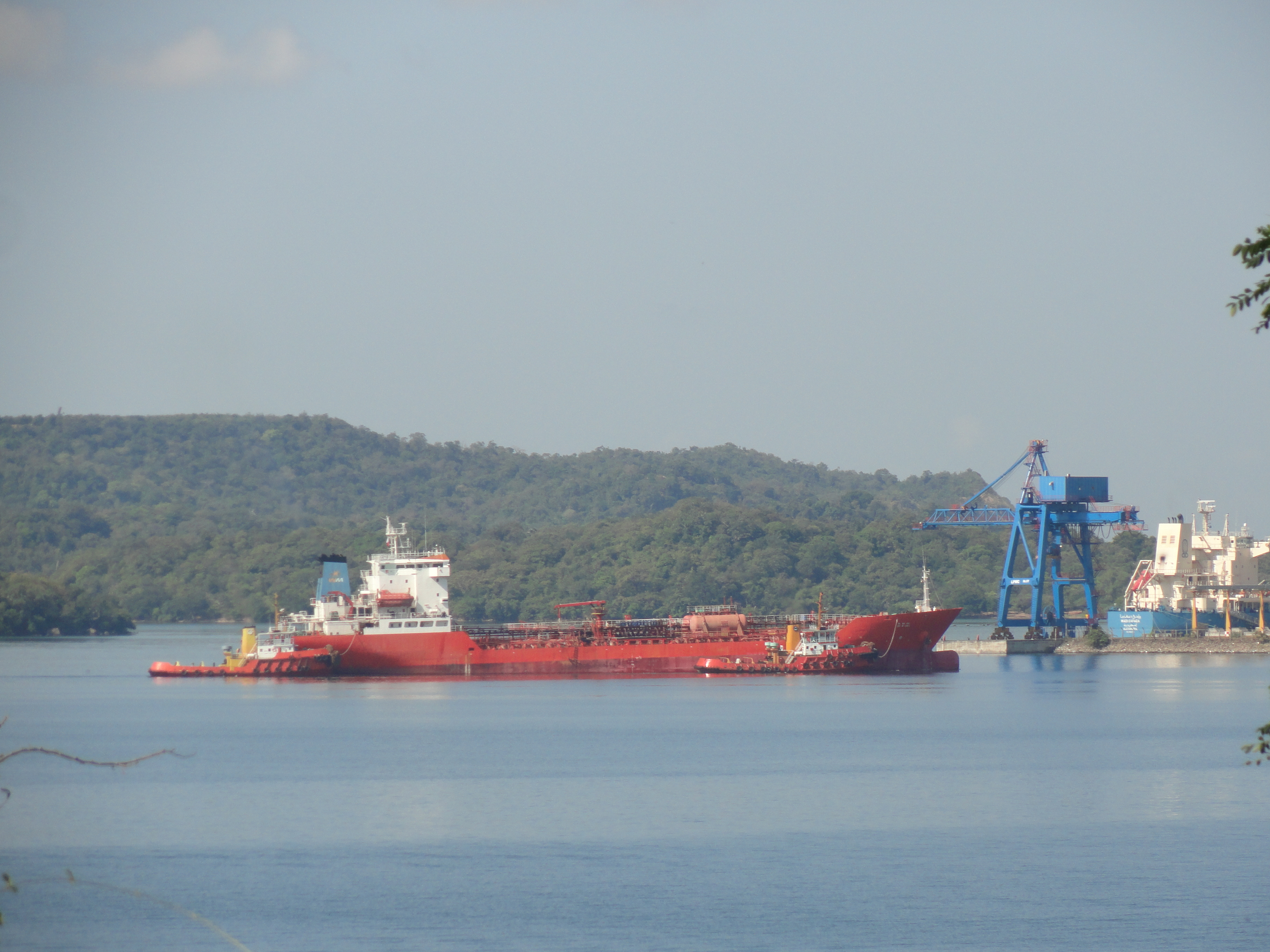
A Harbour That Shaped History
Trincomalee Harbour is widely regarded as one of the five finest natural harbours on earth. Nestled within a vast, sheltered inlet on the northeastern coast of the island, this deep-water port has drawn traders, sailors, and empires to Tamil shores for thousands of years. For the Tamil people, the harbour is far more than a geographic marvel — it is a living connection to a proud maritime heritage that stretches back to the ancient Chola and Pallava dynasties.
What Makes It Special
The harbour’s extraordinary depth and natural protection from monsoon winds made it an essential port of call on the ancient maritime trade routes linking Tamil Nadu, Southeast Asia, China, and the Roman Empire. Tamil merchants traded precious gems, spices, textiles, and pearls from these waters long before European colonisers arrived. The Ptolemaic maps of antiquity marked Trincomalee as “Gokanna” — a name rooted in Tamil and Sanskrit — reflecting its significance in the classical world. Successive colonial powers recognised the harbour’s strategic value: the Portuguese, Dutch, French, and British all fought for control of Trincomalee, and during the Second World War it served as the principal base for the British Eastern Fleet. The harbour’s history is inseparable from the story of the Tamil people and their deep connection to the sea.
What to See
Visitors can take in sweeping views of the harbour from Fort Frederick, the colonial-era fortification perched on the headland above. The waterfront itself buzzes with activity — colourful fishing boats bob alongside larger vessels, and fishermen mend their nets on the shore as they have done for generations. The old town surrounding the harbour retains a weathered charm, with narrow lanes, colonial-era buildings, and small Tamil kovils tucked between the streets. For those interested in naval history, the harbour area offers glimpses of wartime infrastructure and bunkers built by the British during the 1940s.
Visitor Tips
Take time to walk along the waterfront at dawn or dusk, when the light over the harbour is most beautiful and the rhythms of daily life are most visible. Freshly caught seafood is available at small eateries near the harbour — the crab and prawn curries here are outstanding. Be mindful that parts of the harbour remain under military control and are restricted, so stay within designated areas. Hiring a local guide can enrich your understanding of the harbour’s layered history.
Nearby Recommendations
From the harbour, it is a short walk up to the Koneswaram Temple atop Swami Rock, one of the most sacred Hindu sites on the island. The Kanniya Hot Springs lie just 8 km inland, and Marble Beach offers a tranquil stretch of coast to the north of town.