Waters That Have Healed for Millennia
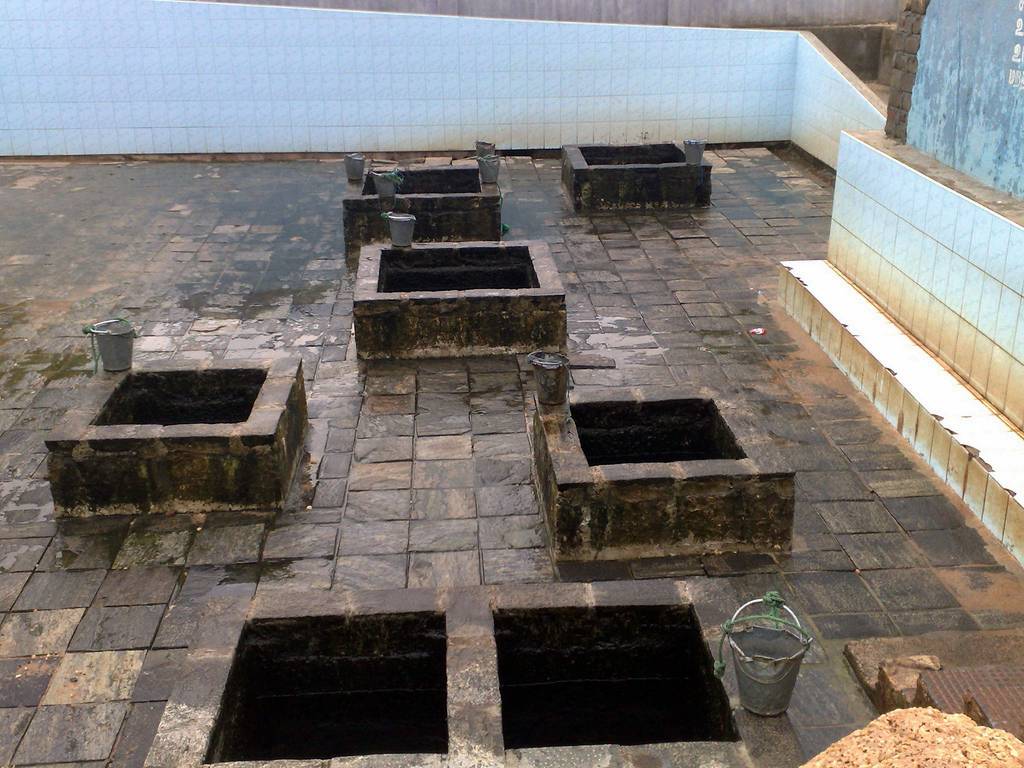
Hidden among the green paddy fields and coconut groves a few kilometres inland from Trincomalee, the Kanniya Hot Springs are one of the most remarkable natural wonders in Tamil Eelam. Seven individual wells, each fed by a separate underground thermal source, are arranged in a cluster, their warm waters bubbling gently to the surface as they have done for thousands of years. For the Tamil people, Kanniya is not merely a geological curiosity — it is a sacred site woven into the fabric of ancient Tamil mythology and a place of healing that has drawn visitors since time beyond memory.
What Makes It Special
Tamil tradition connects the Kanniya Hot Springs to the epic Ramayana. According to the legend, King Ravana — revered in Tamil culture as a wise and powerful ruler — created these springs by striking the earth with his sword so that he could perform funeral rites for his mother, Kanniya, from whom the site takes its name. The waters were said to have been blessed by Lord Shiva himself, granting them their enduring warmth and curative powers. Each of the seven wells maintains a slightly different temperature, ranging from pleasantly warm to genuinely hot, despite their close proximity to one another — a phenomenon that continues to intrigue geologists. The mineral-rich waters are believed to have therapeutic properties, particularly for skin conditions, joint pain, and muscular ailments. Tamil families have been bringing their elders and ailing relatives to bathe here for generations, continuing a tradition of natural healing that predates modern medicine by centuries.
What to See
The springs are enclosed within a simple, open-air bathing area. Each well is a small, square stone basin, roughly waist-deep, from which warm water rises continuously. Visitors are welcome to bathe by drawing water from the wells using buckets and pouring it over themselves — a refreshing and invigorating experience. The varying temperatures of each well invite you to move from one to the next, comparing the subtle differences. The surrounding area is lush and green, with mature trees providing welcome shade. A small Hindu kovil near the springs honours the site’s sacred associations, and you will often see devotees offering prayers before bathing.
Visitor Tips
Bring a change of clothes and a towel, as the bathing area is open and communal. Modest attire is expected. The springs are busiest on weekends and public holidays. A small entrance fee is charged. The water is clean but has a distinct mineral smell — this is natural and a sign of the thermal minerals at work. Bathing is done by pouring water over the body rather than immersing in the wells themselves. Respect the site’s sacred character and leave it as you found it.
Nearby Recommendations
After bathing, head to Trincomalee town to visit the magnificent Koneswaram Temple perched on Swami Rock, or take in the historical atmosphere of the Trincomalee Harbour. Marble Beach, just north of town, offers a lovely spot to cool off in the sea after the warmth of the springs.