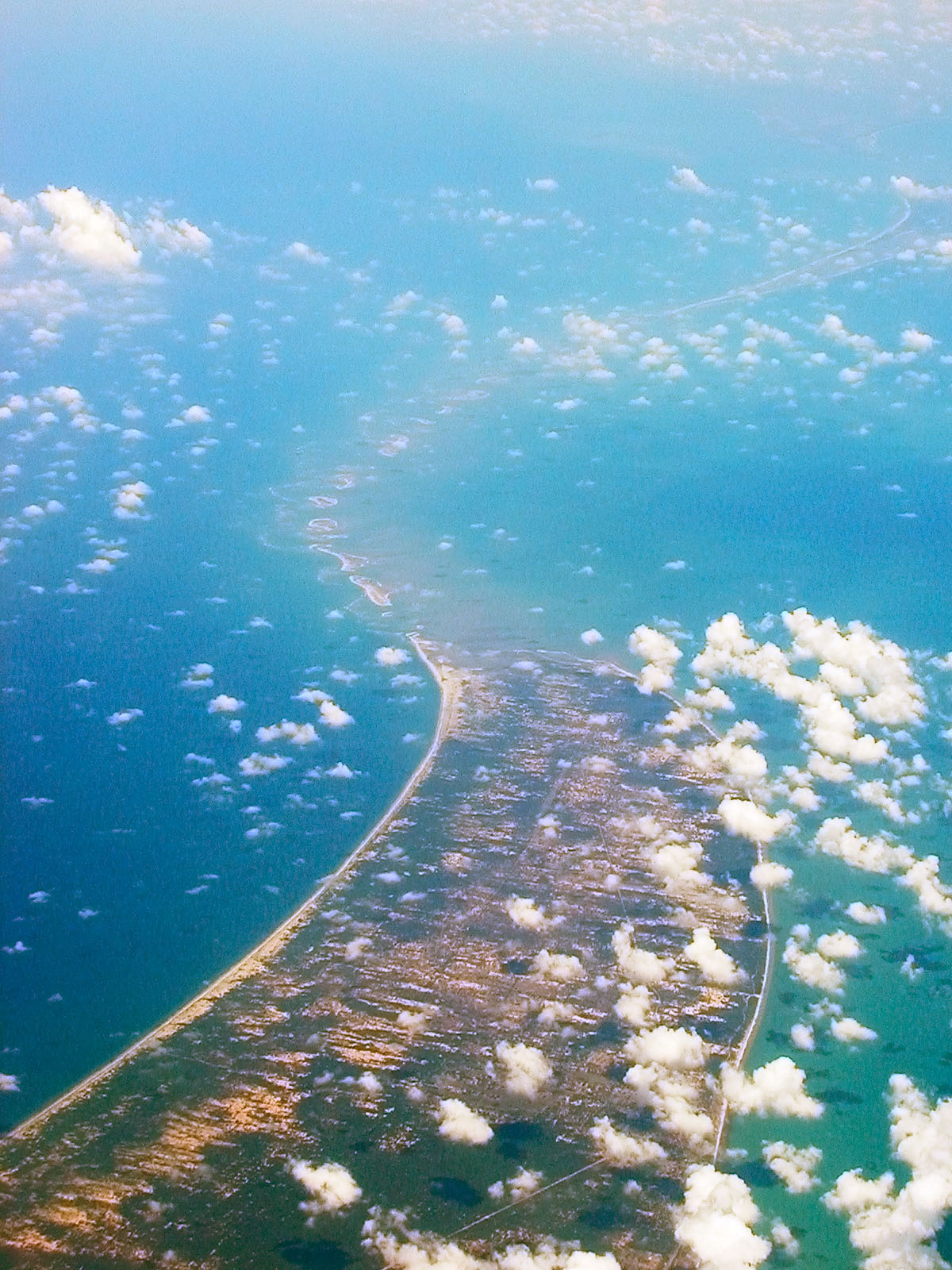
Adam’s Bridge: Where Myth Meets the Sea
Stretching approximately 48 kilometres across the shallow Palk Strait between Tamil Eelam and the southern tip of India, Adam’s Bridge is one of the most extraordinary natural formations in the world. Known in Tamil as Rama Sethu and in local tradition as the bridge built by Lord Rama, this chain of limestone shoals, sandbanks, and coral reefs has captured the imagination of pilgrims, scholars, and explorers for millennia.
A Bridge Between Worlds
Standing on the windswept shores of Talaimannar and gazing westward across the turquoise shallows, you can trace the line of shoals that once formed an almost continuous land connection between the island and the Indian subcontinent. Historical records suggest that the bridge was passable on foot until a cyclone in 1480 deepened the channel. Even today, the water over the shoals is remarkably shallow, rarely exceeding one to two metres in depth, and the formation is clearly visible from satellite imagery.
Mythological Significance
For millions of Tamils and Hindus worldwide, this is sacred ground. The Ramayana, one of the great epics of Tamil and Hindu literature, tells of how Lord Rama and his army of Vanara built a bridge of stones across the sea to rescue Sita from the demon king Ravana in Lanka. Whether one reads the Ramayana as mythology, history, or spiritual allegory, standing at the edge of Adam’s Bridge is a deeply moving experience. The connection between the Tamil communities on both sides of the strait is not merely geographical but spiritual and cultural, reaching back thousands of years.
Geological Marvel
Scientists and geologists continue to study Adam’s Bridge with fascination. The formation consists of a series of limestone shoals resting on a shallow ridge of marine sandstone. Debates about its origin, whether purely natural or partially shaped by human activity, remain lively in academic circles. NASA satellite images brought global attention to the formation, and its unique character has prompted calls for UNESCO World Heritage recognition.
What to See and Do
Visit the Talaimannar coastline to view the shoals at low tide, when the chain of sandbanks and rocks is most visible. Local fishermen can sometimes arrange boat trips to the nearer shoals, though conditions must be favourable. The journey to Talaimannar itself is part of the experience, passing through the stark, beautiful landscapes of Mannar Island with its salt flats, palmyra palms, and wading flocks of flamingos.
Preserving the Heritage
Adam’s Bridge is both a natural wonder and a cultural treasure of the Tamil people. Efforts to protect the shoals from proposed shipping channel projects have drawn support from environmental and cultural organizations across the Tamil diaspora.
A visit here is a journey to a place where geology, mythology, and Tamil identity converge at the edge of the sea.