What Happened
From the very inception of the Sri Lankan state in 1948, the Tamil people were subjected to systematic discrimination. Citizenship was stripped from hundreds of thousands of Tamils of Indian origin. The Sinhala Only Act of 1956 made Sinhala the sole official language, marginalising Tamil speakers overnight. State-sponsored colonisation settled Sinhalese families on traditional Tamil lands, altering the demographics of the Tamil homeland.
Anti-Tamil pogroms erupted repeatedly — in 1956, 1958, 1977, and most devastatingly in July 1983, known as Black July, when organised mobs killed thousands of Tamils across the south of the island. The burning of the Jaffna Public Library in 1981 — one of the largest libraries in Asia, containing irreplaceable Tamil manuscripts — was an act of cultural genocide.
The armed conflict that followed lasted from 1983 to 2009. During this period, the Sri Lankan military carried out repeated atrocities against Tamil civilians: aerial bombardment of civilian areas, extrajudicial killings, enforced disappearances, sexual violence, and the systematic destruction of Tamil cultural sites.
The final phase of the war, from January to May 2009, saw the Sri Lankan military herd hundreds of thousands of Tamil civilians into ever-shrinking "No Fire Zones" — then shell those very zones relentlessly. Hospitals were bombed. Food convoys were targeted. The United Nations estimates that at least 40,000 Tamil civilians were killed in the final months alone. Other credible estimates place the figure much higher — up to 146,000.
This was not collateral damage. The evidence points to a deliberate, systematic campaign to destroy the Tamil people as a group — the legal definition of genocide.
Why It Matters for Visitors
When you visit Tamil Eelam, you are walking on land that has been fought over, bombed, and bled upon. The beauty of the beaches and the grandeur of the temples exist alongside deep wounds that have not healed — because justice has not been served.
No one has been held accountable. The perpetrators remain in positions of power. Tamil lands remain militarised. Tamil families still search for their disappeared loved ones. The genocide is not just history — it is an ongoing reality.
As a visitor, your awareness matters. When you visit a memorial site, you are bearing witness. When you learn the names of the places where atrocities occurred, you are refusing to let them be forgotten. This is what the Tamil people ask of the world: do not look away.
Visiting Memorial Sites Respectfully
- ● Approach with solemnity and respect. These are places of mourning and remembrance.
- ● Ask permission before photographing people, especially families who may be mourning.
- ● Listen to local stories. The Tamil people want the world to hear their truth.
- ● Be aware that some sites may be restricted or surveilled by the Sri Lankan military.
- ● Share what you see. Your voice as an international visitor carries weight.
Memorial & Genocide Sites
Visit these sites to understand the full story of what happened to the Tamil people.

Batticaloa Thuyilum Illam
The Batticaloa Thuyilum Illam honoured Tamil fighters who fell in the eastern province, a region of ancient Tamil heritage where the liberation struggle carried a unique and painful weight.

Jaffna Public Library
Once one of the largest libraries in Asia, the Jaffna Public Library was deliberately burned by Sinhalese mobs in 1981 in an act of cultural genocide — and has since been rebuilt as a symbol of Tamil resilience.

Kodikamam Thuyilum Illam
The Kodikamam Thuyilum Illam in the agricultural heartland of Jaffna was a sacred war cemetery for fallen Tamil fighters, destroyed by the Sri Lankan military after 2009.
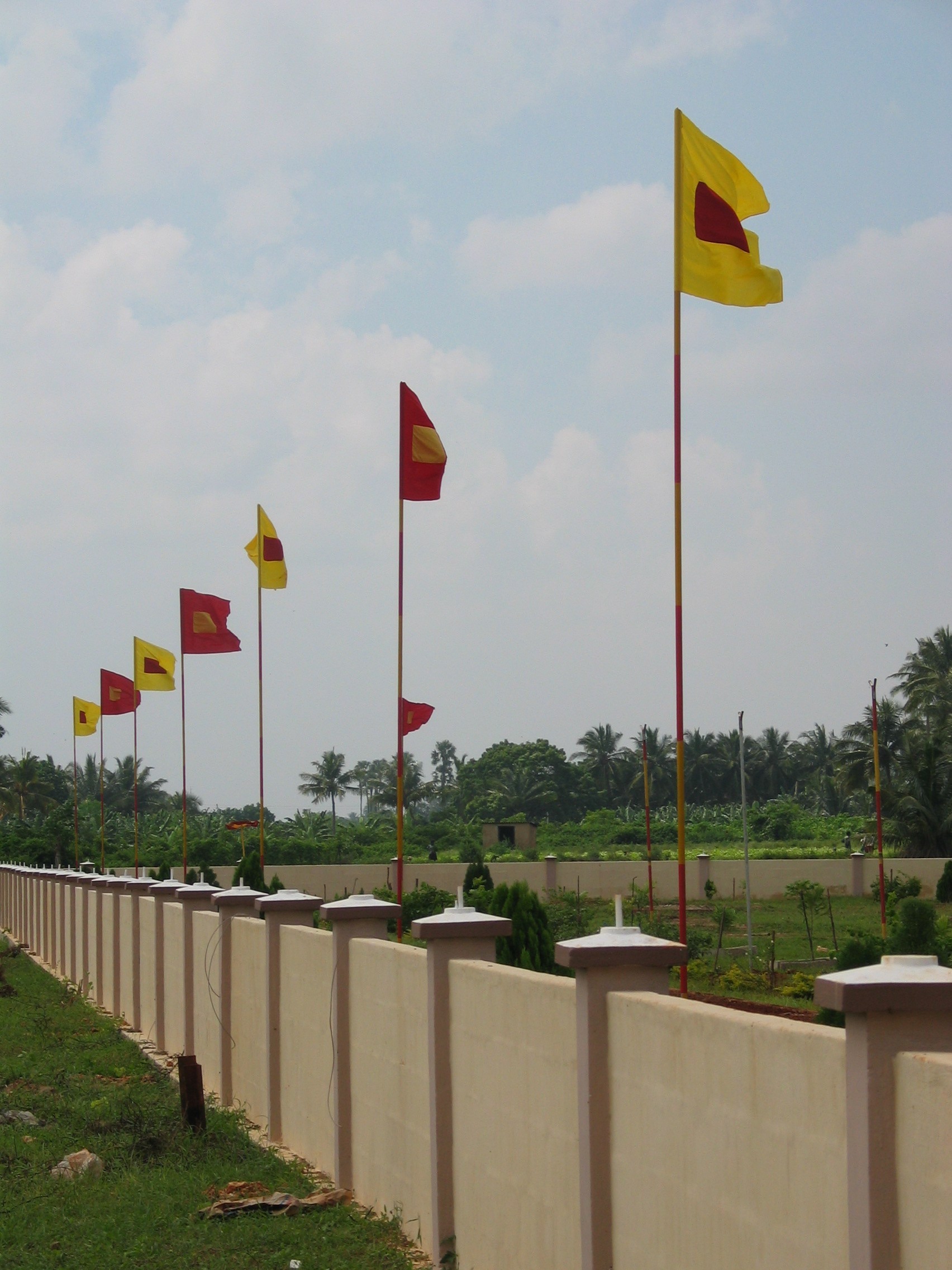
Kopay Thuyilum Illam
One of the most prominent Thuyilum Illams in the Tamil homeland, the Kopay war cemetery in Jaffna honoured thousands of fallen LTTE fighters before its destruction by the Sri Lankan military.

Elephant Pass
A narrow strategic causeway connecting the Jaffna Peninsula to the mainland, Elephant Pass was the site of some of the most significant battles of the Tamil resistance.

Kilinochchi War Memorial
The former administrative capital of the Tamil homeland, Kilinochchi stands as a powerful testament to Tamil self-determination and the devastating cost of war.

Kannagarathinam Thuyilum Illam
The largest and most iconic Thuyilum Illam in Tamil Eelam, located in Kilinochchi, the former de facto capital. Named after Lt. Col. Kannagarathinam, it held thousands of Maaveerar graves before its destruction.

Alampil Thuyilum Illam
A coastal Thuyilum Illam in Alampil, Mullaitivu, where fallen Tamil fighters were buried within sight of the sea they defended, before the cemetery was destroyed after 2009.
Keppapilavu
A Tamil village in the Mullaitivu district where families have been forcibly displaced from their land by the Sri Lankan military, Keppapilavu is a symbol of ongoing dispossession and Tamil resistance.
Mullivaikkal Memorial
The site of the final phase of the genocide against the Tamil people in May 2009, Mullivaikkal is the most sacred memorial ground in the Tamil homeland, where tens of thousands of civilians were killed.
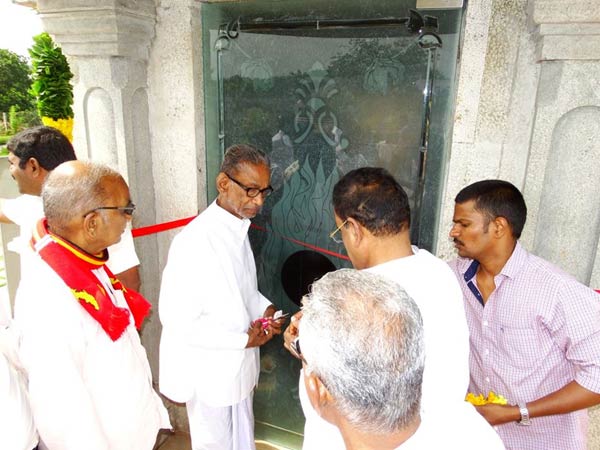
Visuvamadu Thuyilum Illam
The Visuvamadu Thuyilum Illam in the interior of Mullaitivu district was a war cemetery deep in the Vanni heartland, destroyed by the Sri Lankan military as part of its systematic erasure of Tamil memorials.
Nandikadal Lagoon
The lagoon where the final battles of the war took place in May 2009, Nandikadal is a site of mass civilian casualties and one of the most significant locations in modern Tamil history.

Trincomalee Thuyilum Illam
The Thuyilum Illam near Trincomalee honoured Tamil fighters who fell defending the eastern Tamil homeland, before being demolished by the Sri Lankan military after the war.

Vanni Thuyilum Illam
A Thuyilum Illam in the Vanni region near Puthukkudiyiruppu, where Tamil fighters who fell in the vast interior battlefields were honoured before the cemetery's systematic destruction.